Women in sport have long been asked to choose between strength and femininity, as if one excluded the other. Sports sociologists call the tension the female/athlete paradox, and generations of athletes have carried the weight, judged too muscular to be attractive or too pretty to be taken seriously.
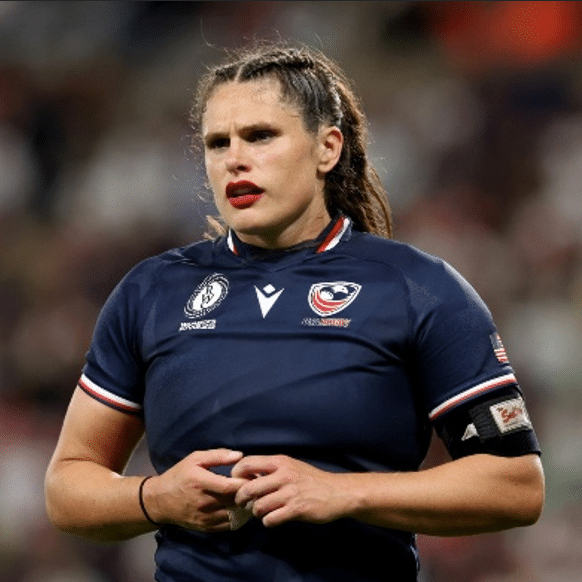
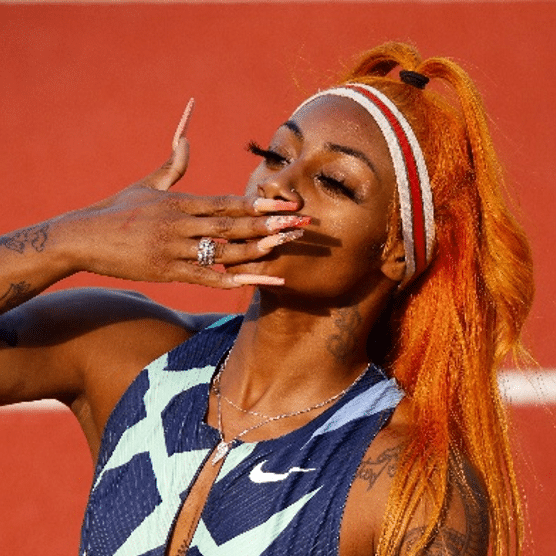
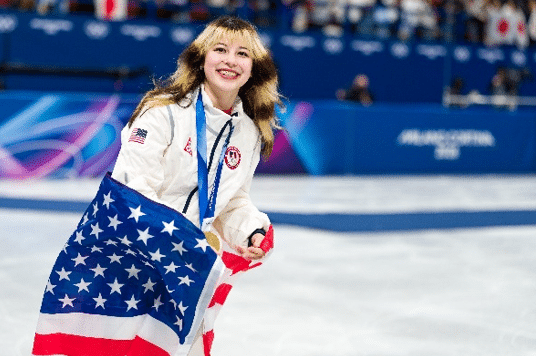
Team USA rugby star Ilona Maher plays in bold red lipstick, in front of an audience of millions. Sha’Carri Richardson sprints in long, sculpted nails. Alysa Liu competes with striped hair. Neither side of the paradox troubles them, and the women watching seem to agree: the choice between strength and femininity belongs to a bygone era.
The Paradigm between Strength and Femininity is Changing
Survey results from American women confirm that strength and femininity are no longer at odds.
A strong body is now far more likely to be seen as one of life’s best assets than a beautiful one: 81% versus 49% among women aged 16 to 70.
At the same time, femininity remains deeply important: 81% say they feel feminine most of the time, and 67% care about being recognized as feminine (source: 2025 Beauty Observer, Sociovision, Ifop Group).
New codes are emerging in the cultural body conversation, too.
As “Body Positivity” loses ground, down 22% year over year, thinness is making a comeback, with “Skinny Body” mentions up 54%.
Skinny is only half the story, though. Talk of « Lean Body » (up 22%), « Pilates Body » (up 22%) and « Ballet Body » (up 21%) is climbing just as fast, celebrating physiques shaped through intention, practice and discipline (source: 2026 Social Listening, Deep Opinion, Ifop Group).
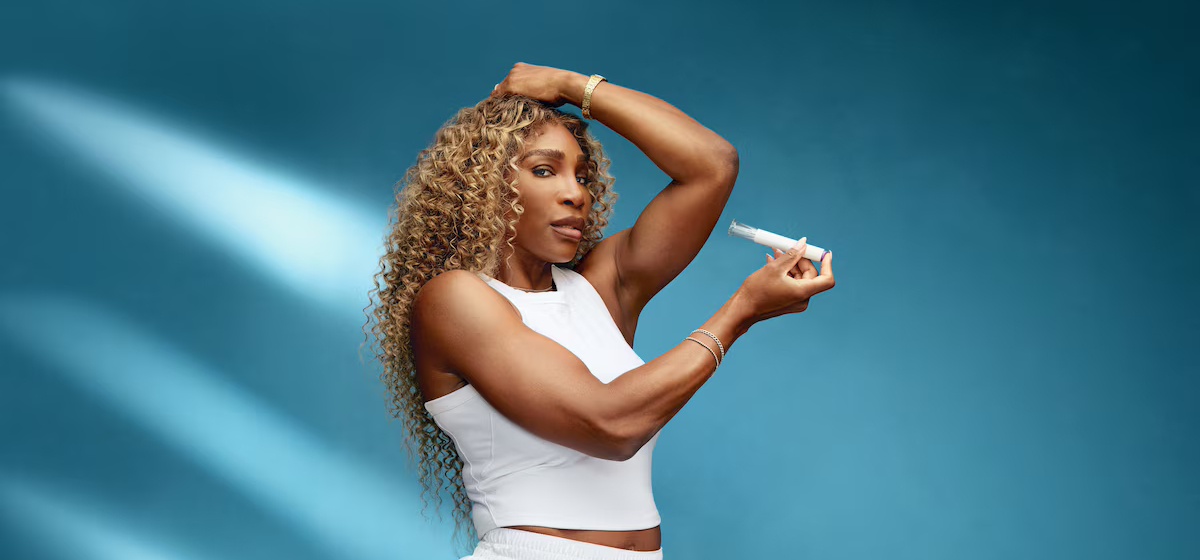
Serena Williams, one of the greatest athletes of all time, shows how far the pressure reaches.
She joined telehealth company Ro as a patient ambassador and, for the first time, spoke openly about using GLP-1 treatment to reach her weight goals after having children. She links the choice to feeling strong and well, a rare show of vulnerability at her level. Yet even after a career built on what her body can do, the expectation for women to return to a smaller size after pregnancy persists.
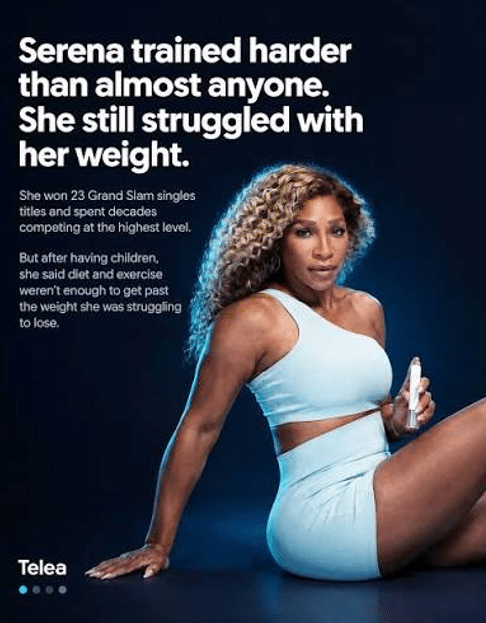
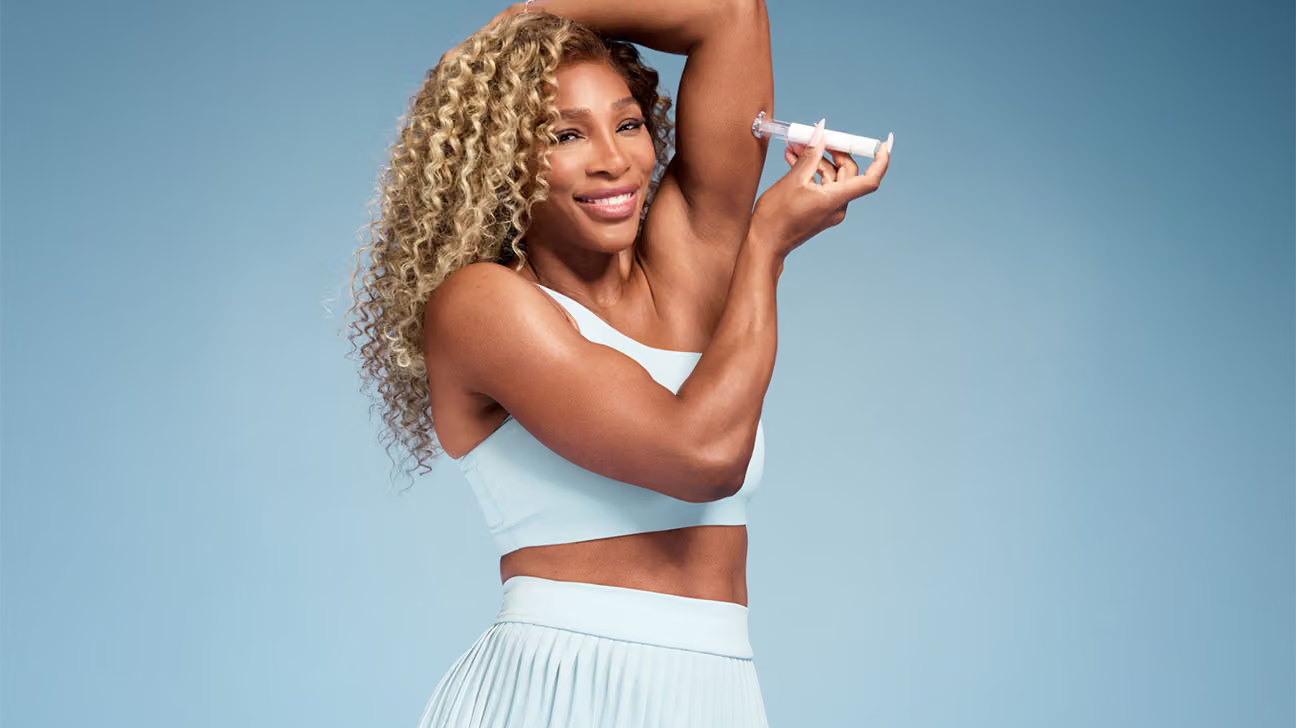
As Serena’s story shows, the pressure on women’s looks is still there, only in a different form.
Enter the Capable Body. Where strength meets femininity, female athletes lead the way, with beauty brands following close behind.
The Capable Body Expands the Beauty Brief
Brands are meeting her wherever strength happens: on the field, in the spotlight and behind the effort.
On the Field
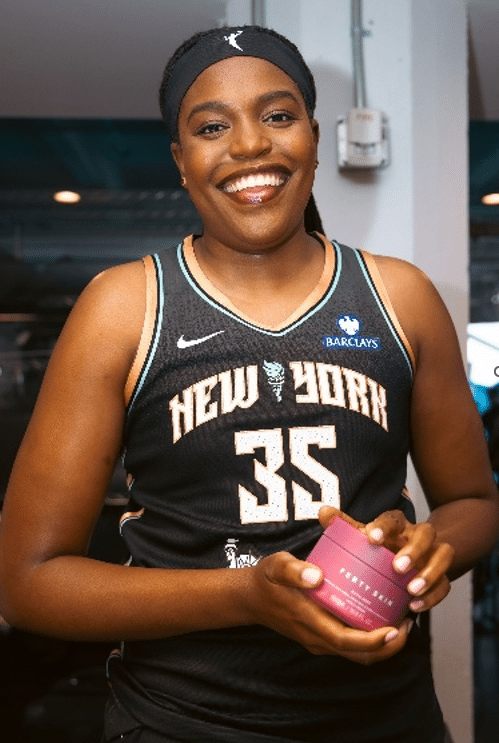
The WNBA has become beauty’s favorite court. Glossier has partnered with the league since 2020, Fenty Beauty joined the New York Liberty, Laneige backs the Phoenix Mercury, and Ipsy signed on as the Las Vegas Aces’ official beauty partner in 2026.
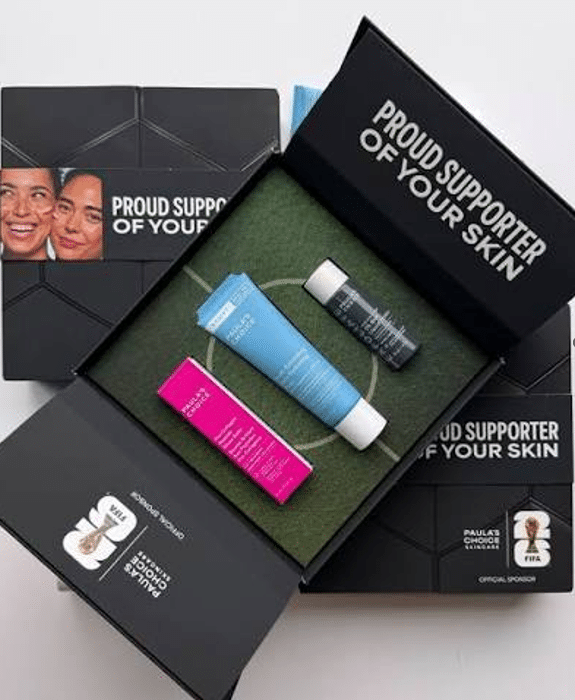
2027 Women’s World Cup with ‘Proud Supporter of Your Skin’, a campaign about skin that performs under pressure.
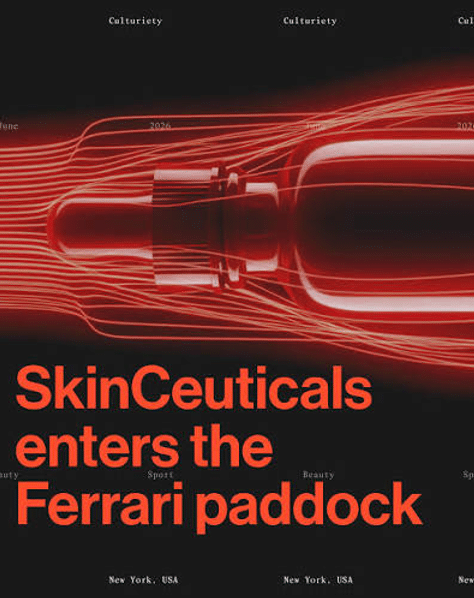
SkinCeuticals became Scuderia Ferrari HP’s first-ever skincare partner, celebrating what the brand calls « the beauty of high performance. » Through a multi-year deal, medical-grade skincare enters the Formula 1 paddock, where skin gets the same precision and preparation as the car.
In the Spotlight
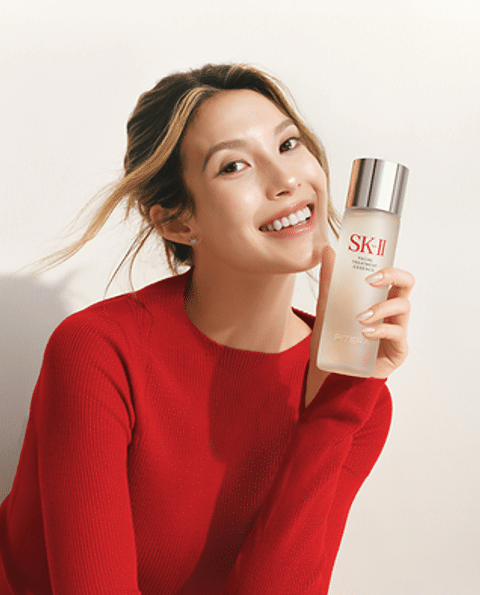
SK-II named Olympic champion freeskier Eileen Gu its global brand ambassador and the face of « Free to Bare, » a campaign about skin as a fondation, with or without makeup. In her words: « having skin that makes you feel strong is the foundation for that too. »
Behind the Effort
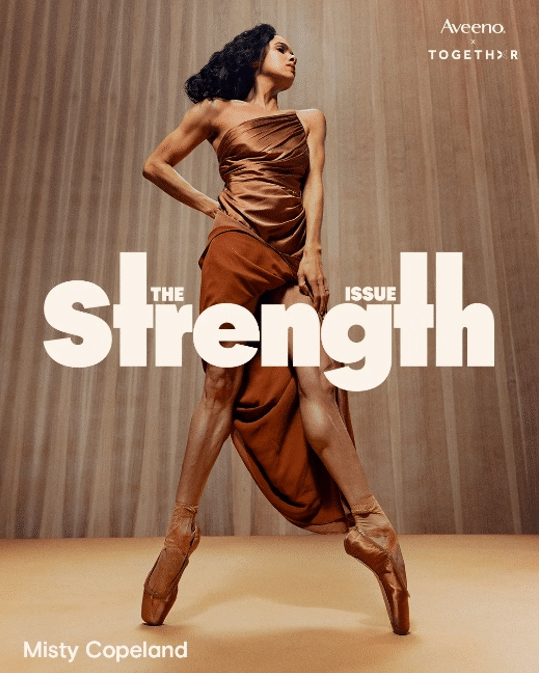
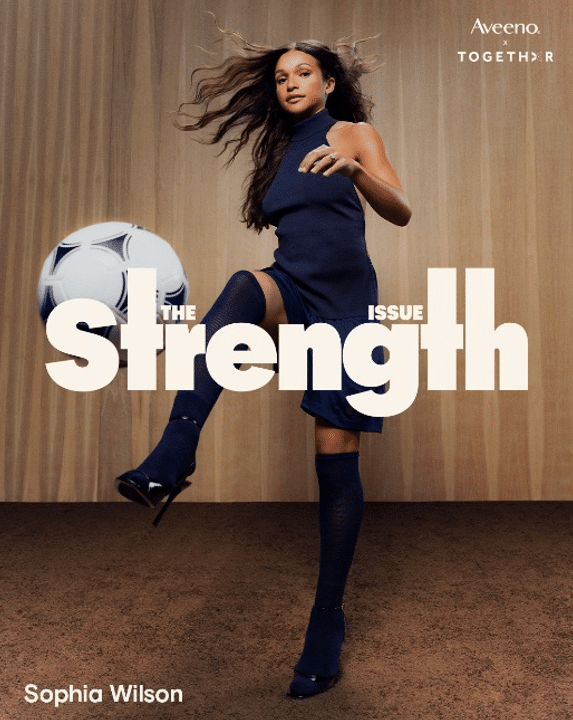
Aveeno teamed up with TOGETHXR, the women’s sports media company founded by elite athletes, on The Strength Issue, a digital ‘zine about strength across a career and a life. The casting is the message: Misty Copeland, living proof that ballerinas are athletes, speaks to the invisible hours of rest, care and resilient skin: « Some of my strongest moments happen in recovery. » Cameron Brink, glamour on and off the court, refuses to choose: « Being both feminine and serious is my truest form of self-expression. »
New Moments for Beauty
Beauty has a new field to play on.
The Capable Body lives far beyond female athletes: the quick shower after a 6am workout, the dash from reformer class to the office, the evening recovery ritual, the milestone race, the run club community.
Questions for beauty brands to ask now:
She values strength and femininity alike: what is she really asking of us? How does that look different across demographic cohorts?
If she feels strong and feminine but not conventionally beautiful, do our campaigns/ambassadors resonate with her?
Is our brand present when she trains, performs and recovers, or only when she gets ready to be seen?
How do we champion the Capable Body without creating another standard women feel pressured to meet?
Click on
to make Ifop your preferred source!